
Build, sort and count
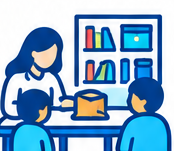
Build a bridge, match shapes or sort pieces by colour. Children practise coordination, compare ideas and try different solutions as they handle real objects.
Hands-on play, familiar routines and caring relationships are at the heart of kindergarten. SENBOX brings wooden toys, visual supports and the app together to help your team support participation and notice each child’s developing skills.

See how the SENBOX framework connects planning, teaching and progress reporting.

A tower of wooden blocks, a tray of shapes or a pretend shop can invite children to explore together. SENBOX wooden toys and hands-on manipulatives belong in these everyday experiences.
Build a bridge, match shapes or sort pieces by colour. Children practise coordination, compare ideas and try different solutions as they handle real objects.
Set up a pretend shop or invent a story with familiar materials. Shared play creates opportunities to communicate, take turns and explore another child’s ideas.
Offer time to choose, experiment and tidy away. Notice when a child starts a task, asks for help or completes a familiar action with less support.
Choose activities and support to suit each child’s interests, pace and needs.
Discuss everyday supportTHE SENBOX DIFFERENCE

Visual timetables show children what is happening now and what comes next. The Color Timer gives a visual reference as one activity comes to an end and another begins.


WHY IT MATTERS
Before tidying the blocks, show the next activity and use the Color Timer to prepare for the change. Keep your words, pictures and routines consistent.
Use the SENBOX app to track developmental milestones and record observations from play and routines. Meaningful examples build a picture of emerging skills, achievements and areas where a child needs support.

WHY IT MATTERS
A child joining a group, taking a turn or asking for help can be meaningful progress. Record the context and how much support made participation possible.
“During block play, Sam asked for another piece using a picture.” Describe the activity, the child’s response and the support offered.
Review milestones and observations over time. Notice changes in communication, coordination, problem-solving, social interaction and independence.
Compare examples with colleagues and families. Use what you learn to adapt an activity, adjust support or agree what to observe next.

During play, snack time and shared activities, AAC and visual choices can help a child request a toy, choose an activity, express a preference or ask for help.
WHY IT MATTERS
A request for a blue block or a choice of story is part of the interaction. Pair visual support with attentive responses and shared enjoyment.
Offer pictures of available toys or snack items. Give the child time to choose and respond to their communication.
Keep a familiar help option available during building or matching. Model its use while staying alongside the child.
Use visual choices during stories, songs and group play so children have different ways to contribute.
With Visual Maker, teachers can create materials to accompany wooden toys, manipulatives, stories, movement and group activities. Adapt the support around the experience you have planned.

WHY IT MATTERS
Use visuals to open up participation. Leave room for children to explore materials, talk, move and discover with other people.
Create a short picture sequence to accompany a block model. Children can follow it, change it or build their own version.
Prepare picture cards to match real objects, shapes or story characters. Adjust the choices to the child’s current interests and skills.
Create visual instructions for choosing a piece, waiting and passing it on during a shared game.
Review observations and milestones over time to recognise where a child may be at risk of falling behind. Discuss patterns with colleagues and families, consider the context and agree appropriate next steps.
Discuss your setting’s needsSENBOX supports professional observation and planning. It does not diagnose developmental conditions, replace qualified assessment or guarantee early detection.
Use shared observations, progress evidence and staff handovers to explain what a child enjoys, what helps them participate and what the team is working on next.
Share meaningful examples and invite families to describe what they notice at home. Agree familiar language and supports that fit both settings.
WIKISEN offers resources for continued professional learning. Use it alongside team discussion and reflection on everyday practice.
No. Recorded observations support planning and conversations with families. Where concerns continue, follow your setting’s procedures and seek appropriate professional advice.